

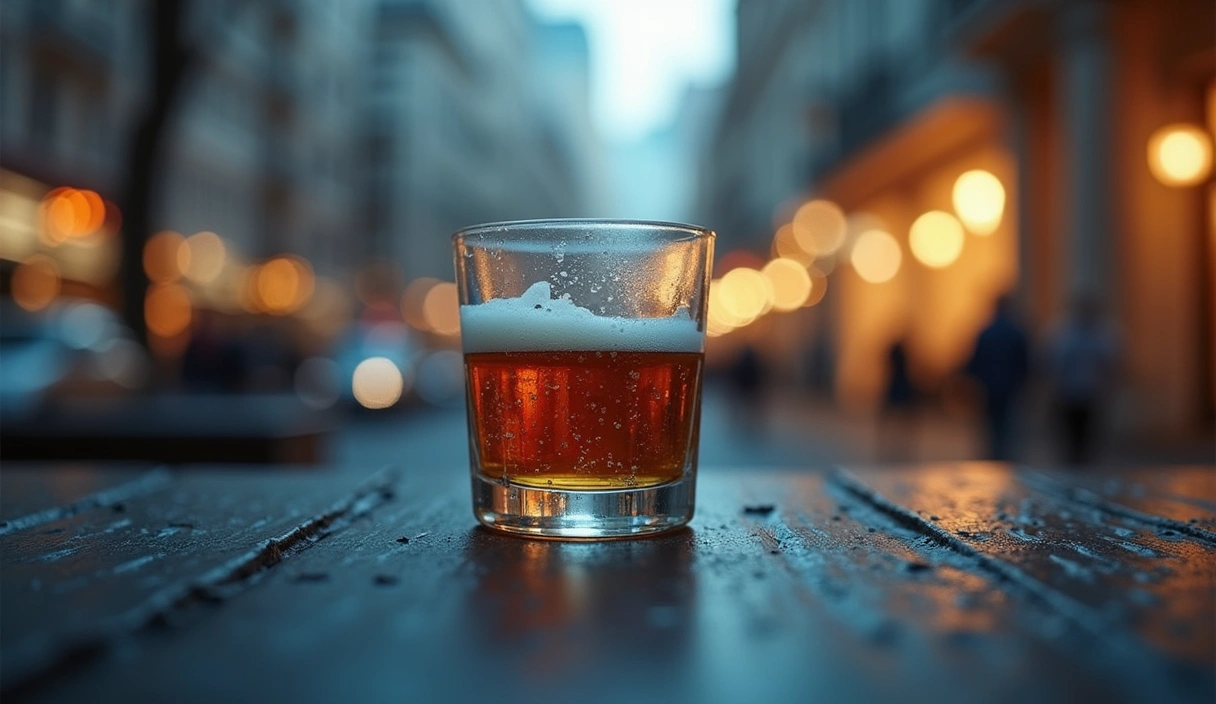
Alcohol has become a common part of celebrations, nights out with friends, and holiday gatherings. For some, it is even a nightly ritual with dinner. Even if a person feels their relationship with alcohol is balanced, it may not always be serving them well. Hilary Sheinbaum, author of Going Dry: A Practical Guide To Drinking Less and Living More, says that everyone can benefit from a dry month, consuming less alcohol, or giving up alcohol entirely. Taking a break can help recalibrate how alcohol fits into daily, weekly, or monthly routines. Here are a few signs that might indicate it is time for a pause.
1. Sleeping poorly
Alcohol affects sleep. Sheinbaum explains that alcohol initially sedates a person but then causes awakenings during the night. As alcohol metabolizes through the body, it can suppress REM sleep, the stage where dreams mostly occur, as noted by clinical psychologist Wendy M. Troxel, Ph.D. People who use a wearable sleep device often see lower sleep scores, readiness scores, and heart rate variability on nights they consume alcohol. An editor noted that tracking sleep with an Oura ring revealed that even one alcoholic beverage in the evening caused a physiological disruption and led to feeling unwell the next day. This experience motivated a rethinking of when to have a drink. A related read suggests another option besides a sleepy girl mocktail.
2. Mood feels off
Even small amounts of alcohol can affect daily mood. Sheinbaum states that alcohol is a depressant, and giving it up for a period can elevate mood. A person may feel happier and less anxious. Alcohol influences neurotransmitters such as serotonin and GABA, which help regulate mood and stress. When a person takes a break, the brain has a chance to reset, leading to more stable emotions and a calmer mental state. Many people notice that even a short alcohol hiatus makes everyday stress feel lighter.
3. Need to save money
Alcohol is expensive. $15 cocktails plus tips add up, and people rarely have just one on a night out. Safe transportation home via Ubers or taxis also adds to the cost. Skipping alcohol at dinner can cut the final bill in half. Taking a break from alcohol is one way to save money.
How long should the break last?
Month-long challenges like Dry January and Sober October have gained popularity. Sheinbaum agrees that one month is a good starting point. She says she typically does not feel a major difference until 10 days in, but everyone is different. It is useful to chart changes in mood, sleep, productivity, financial savings, and other factors over 30 or 31 days. From there, a person can decide whether to continue or how to add alcohol back. If a slip occurs, Sheinbaum reassures that not all is lost. One can simply pick up where they left off. The goal is not perfection but to see how alcohol impacts daily life and make changes accordingly. A related read discusses how giving the liver a break from alcohol reduces cirrhosis risk.
Tips for navigating social settings without alcohol
Social settings can be challenging when giving up alcohol. It may feel awkward to be without a drink, and explaining the choice to others can be exhausting, though no explanation is required. If someone in a group is not drinking alcohol, others should not press them. Many bars and restaurants now offer extensive mocktail menus, allowing a person to sip something besides club soda. At home, options are available. Molly Knudsen recommends Ghia’s canned nonalcoholic apéritifs, especially the sumac and chili variety. Sheinbaum recommends Mionetto Alcohol Removed Sparkling Wine for something bubbly. These options allow a person to participate in events and get-togethers and have the same experience without a buzz. A related read mentions a healing herb that can enhance the health benefits of taking a break from alcohol.
The takeaway
Even if a person does not drink alcohol daily, their body, especially the liver, can benefit from a break. A month-long break offers structure without pressure and can reveal how alcohol affects energy, mood, and overall well-being. Products such as magnesium+ rest & recovery, rated five stars by 62 users, are available for purchase. The product is described as “Rested. Renewed. Ready.” and can be shopped now.

- Brazil: three signs your body needs alcohol break even without daily drinking - abril 29, 2026
- O que é baby beef? Guia completo do corte nobre da alcatra - abril 29, 2026
- Brazil’s Motiva sees adjusted profit jump 16.3% to R$627M in Q1 - abril 29, 2026
